Jetlagged
2024 - ongoing
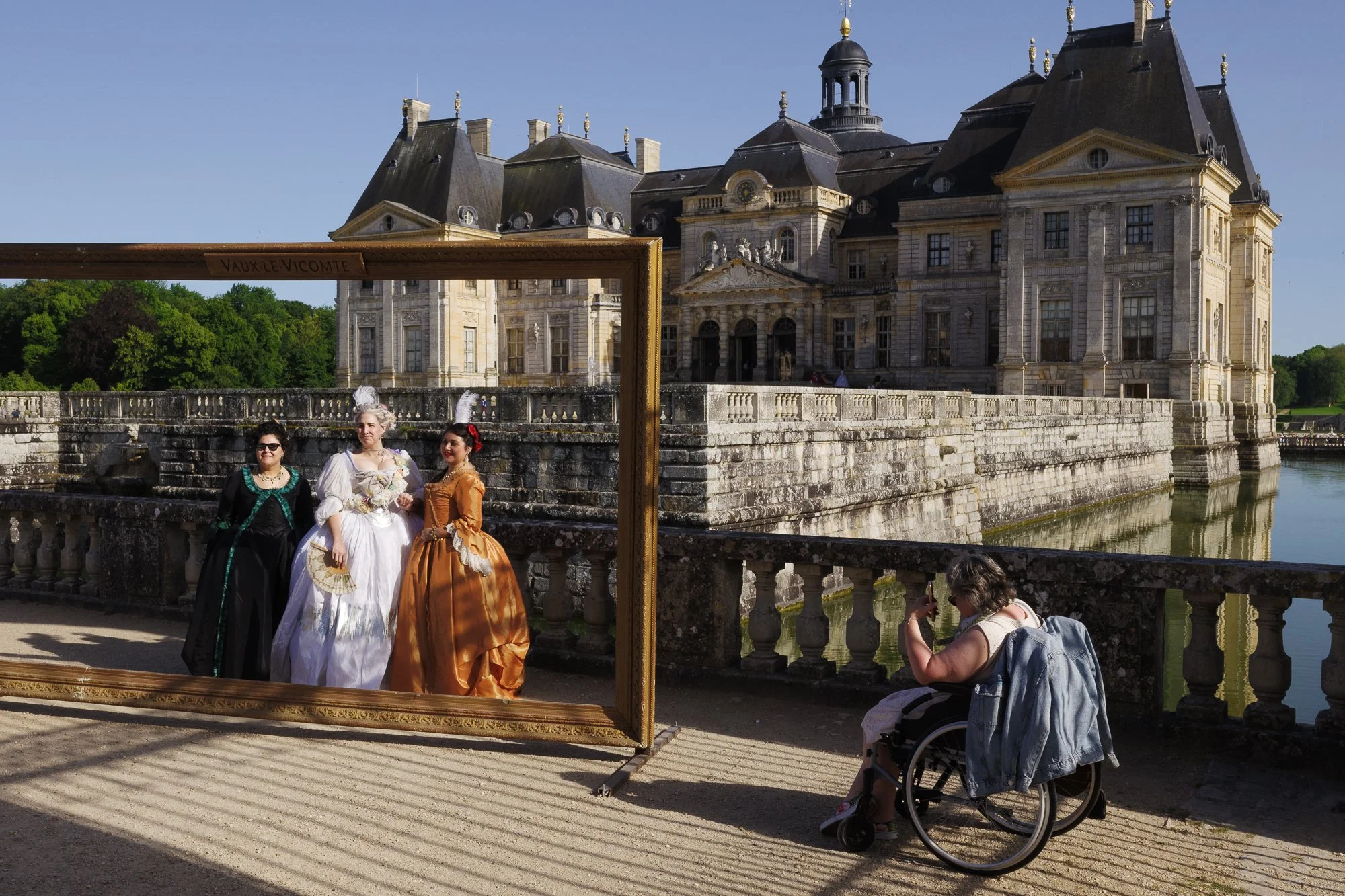
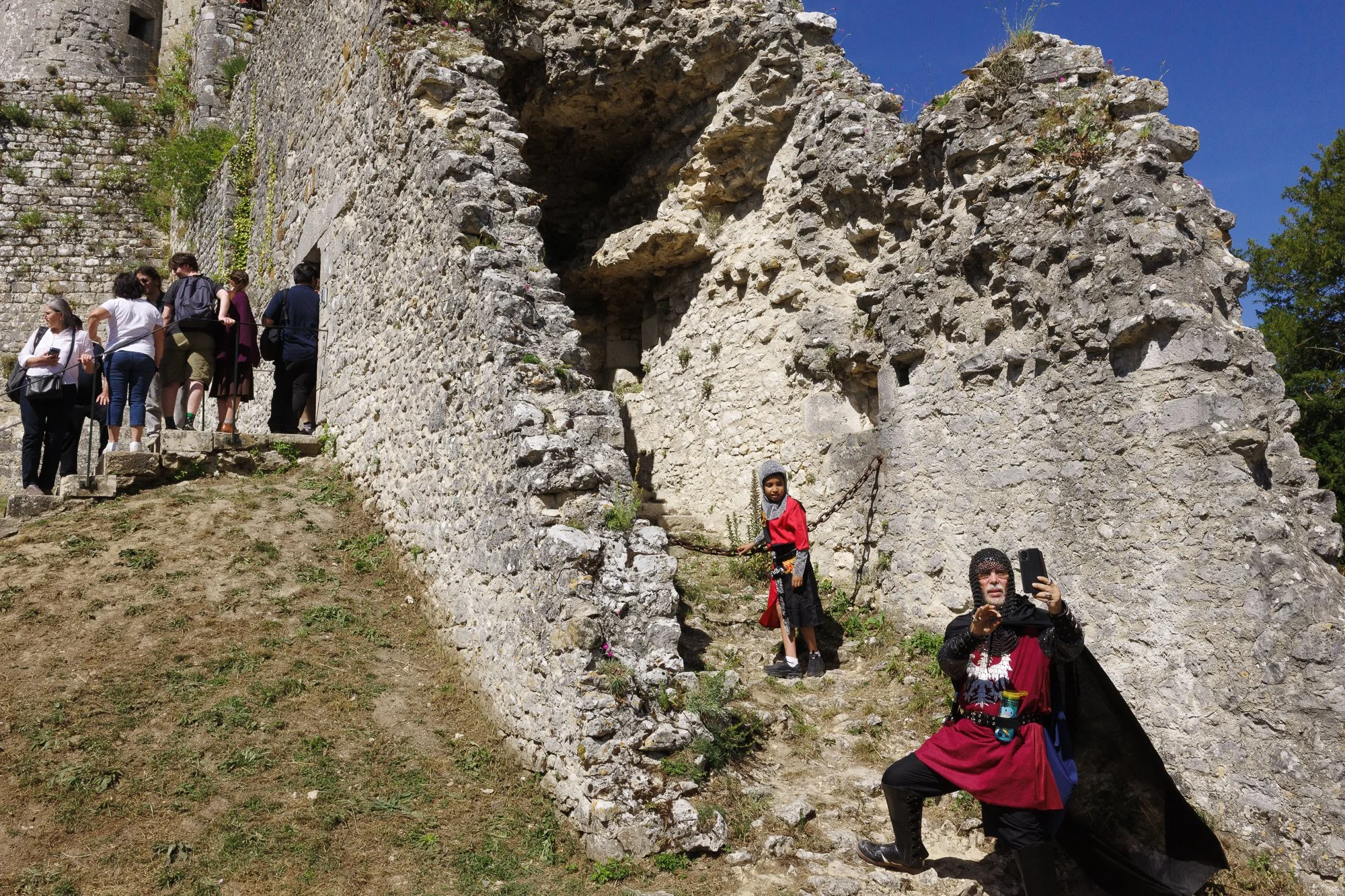
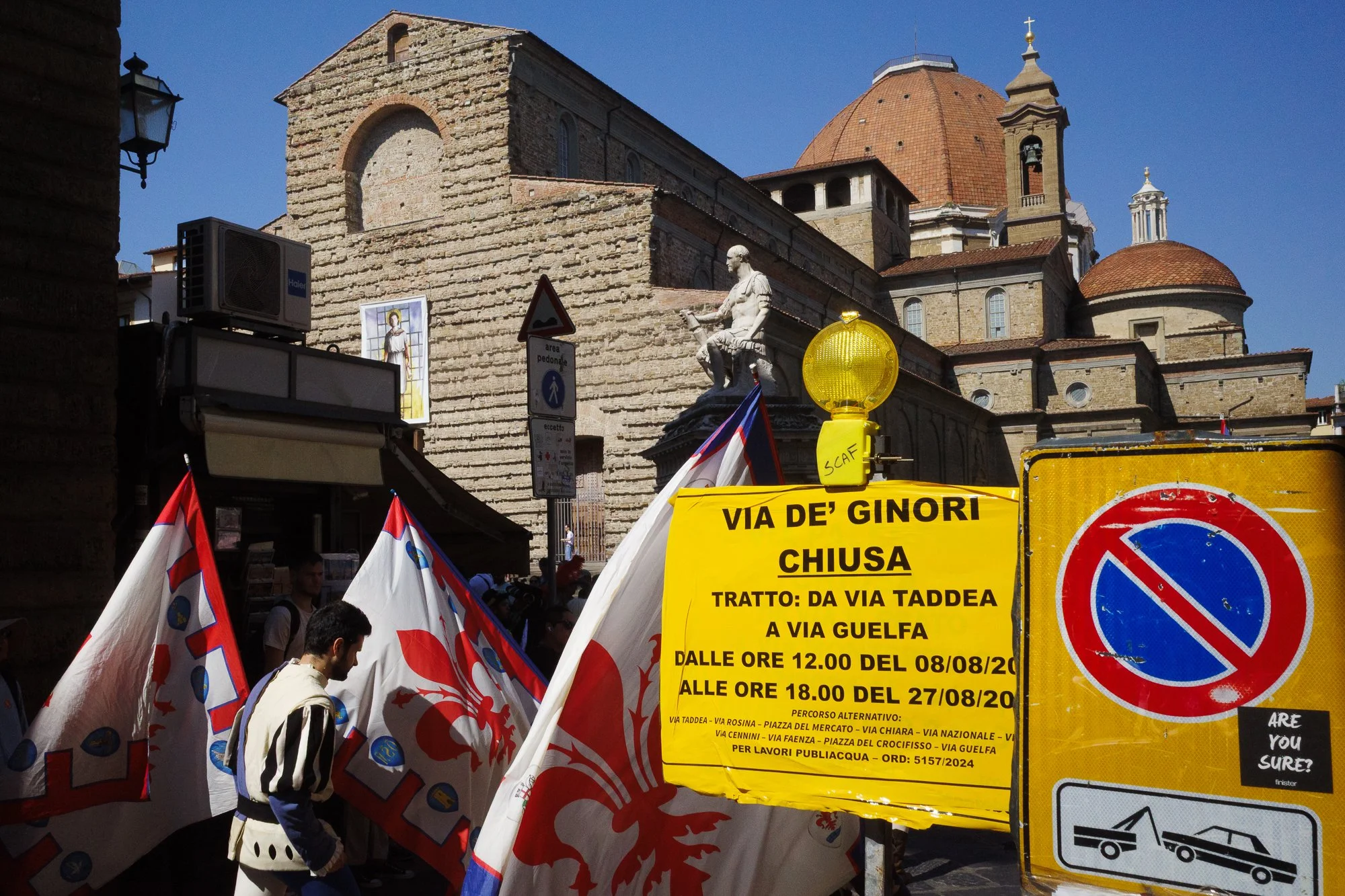
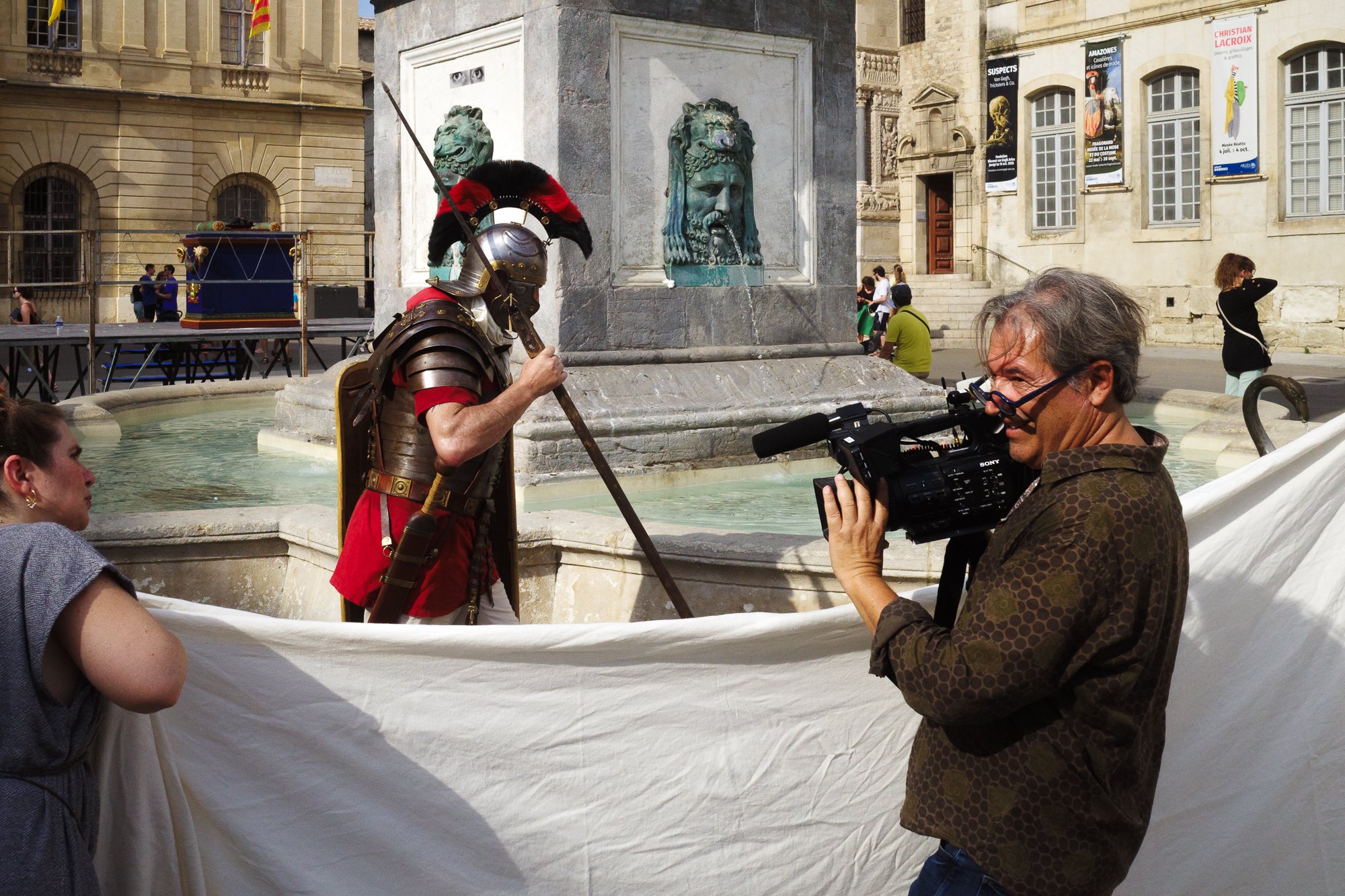
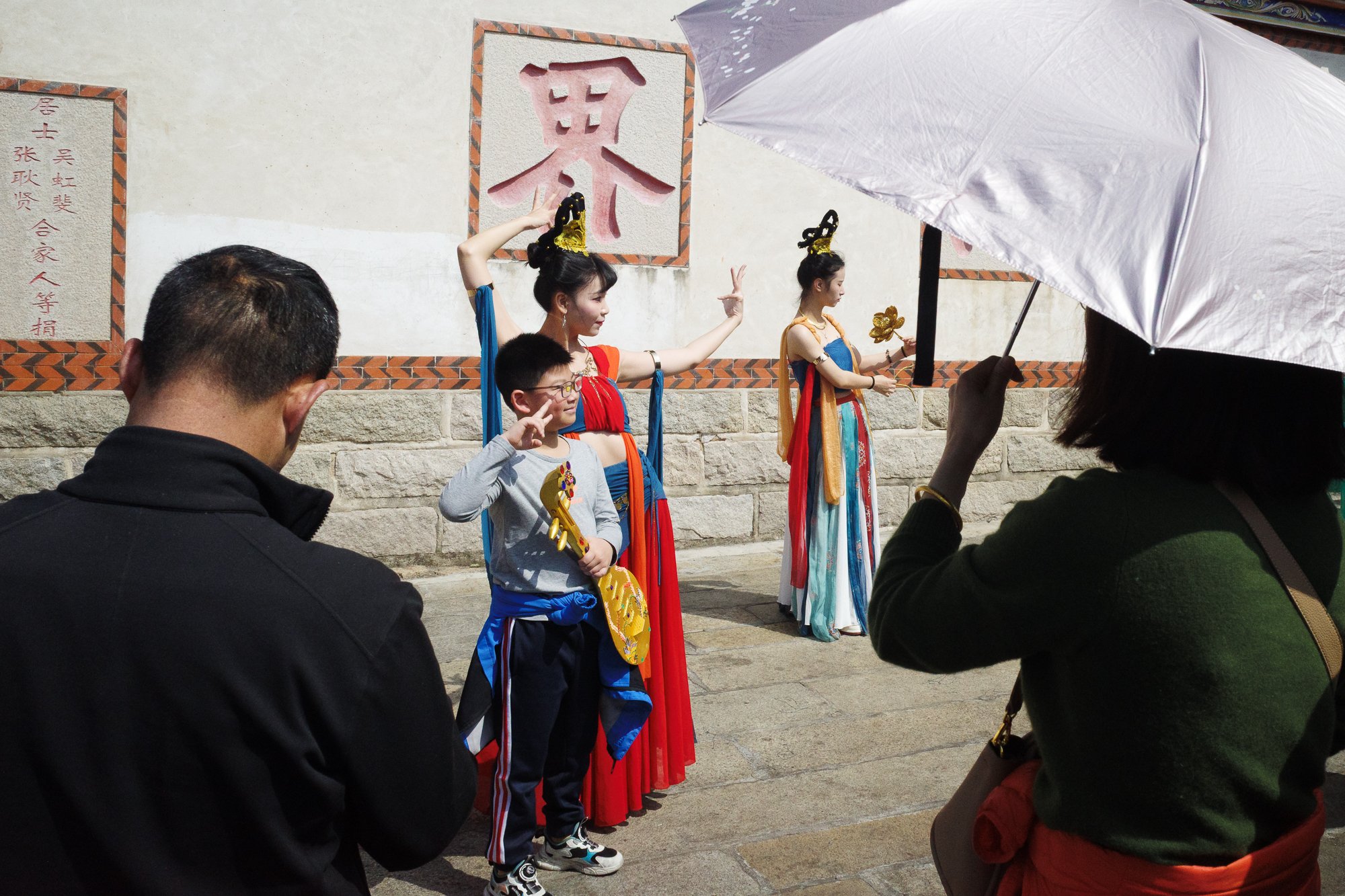
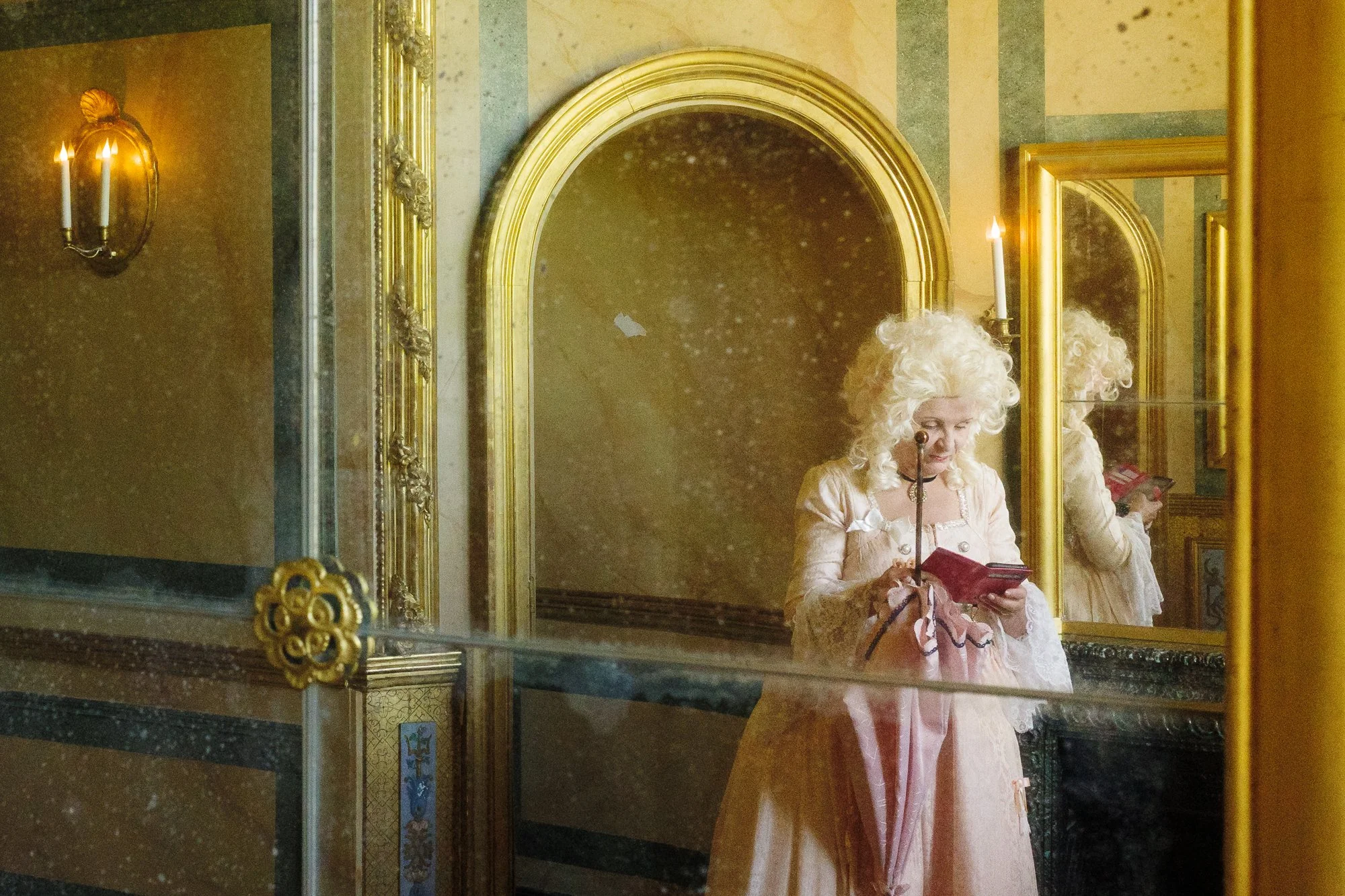

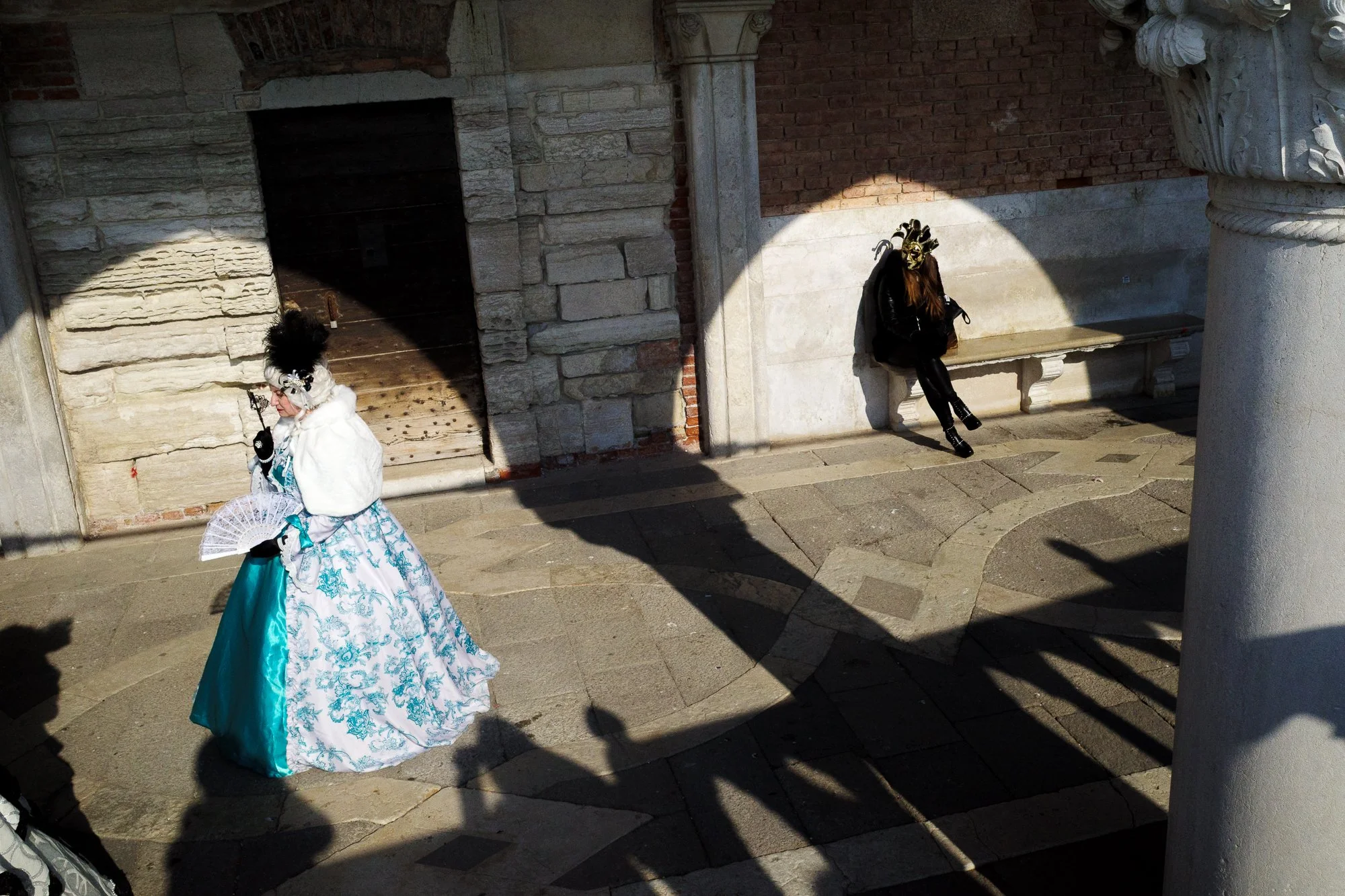
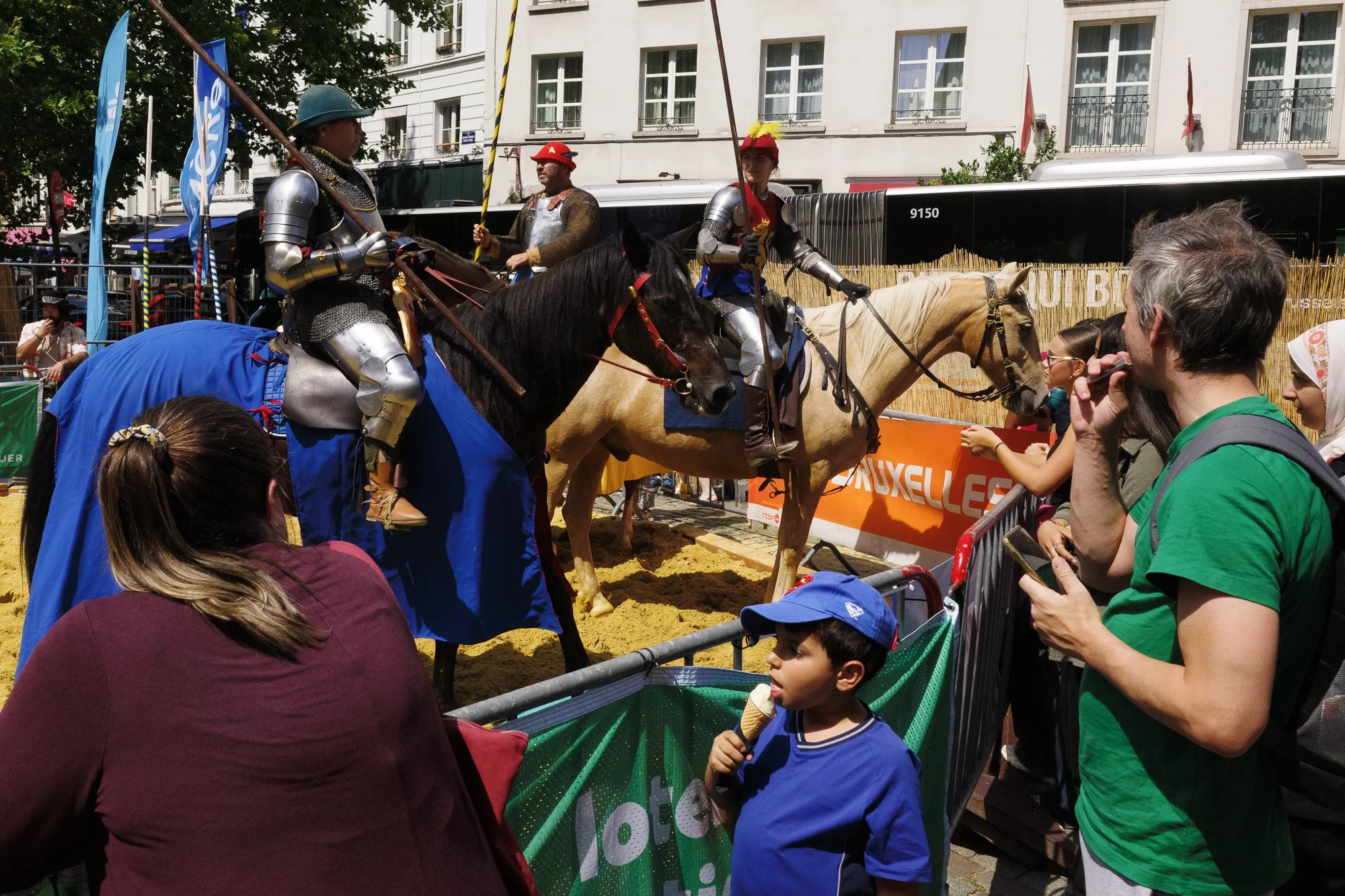
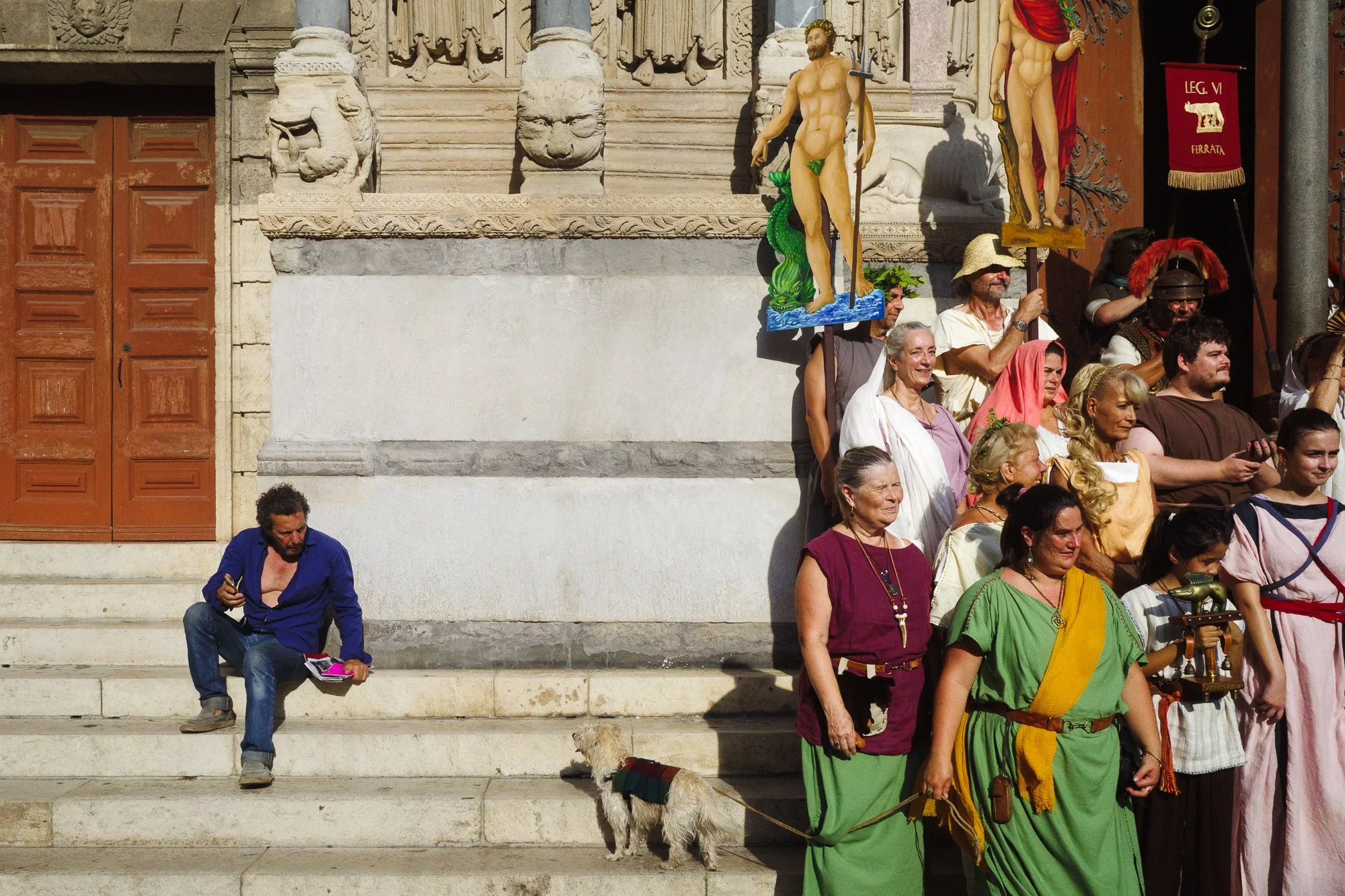
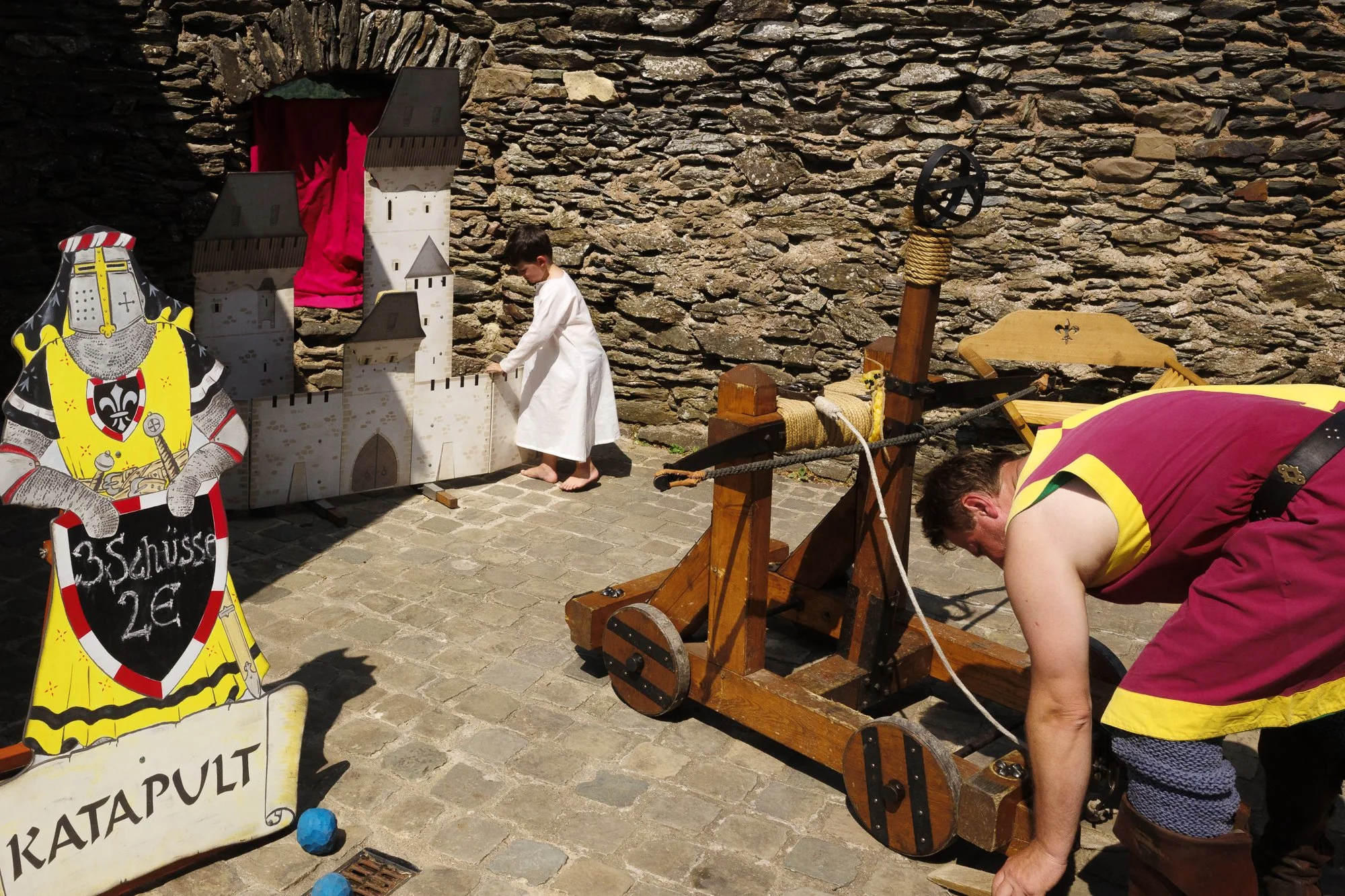
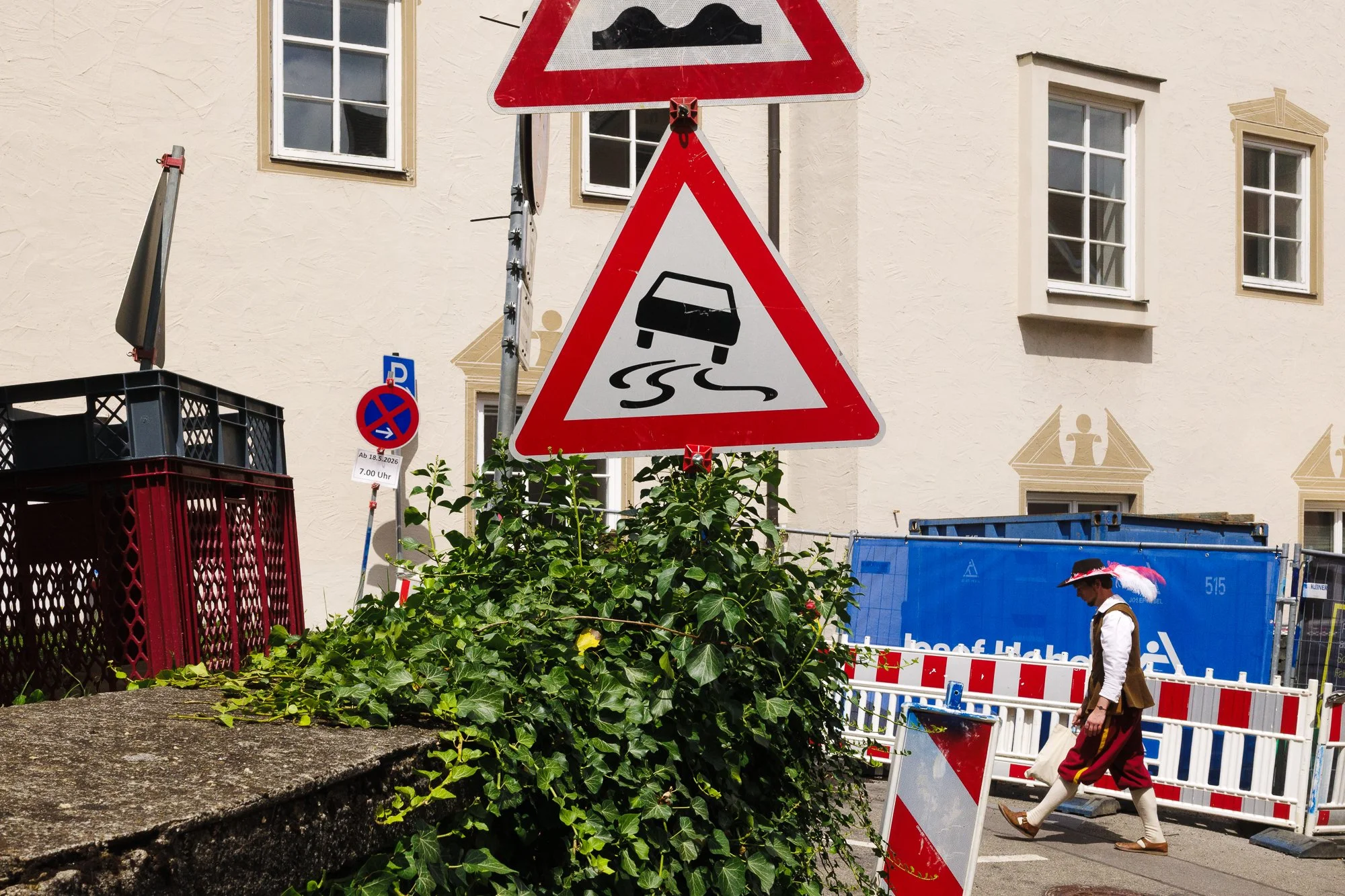
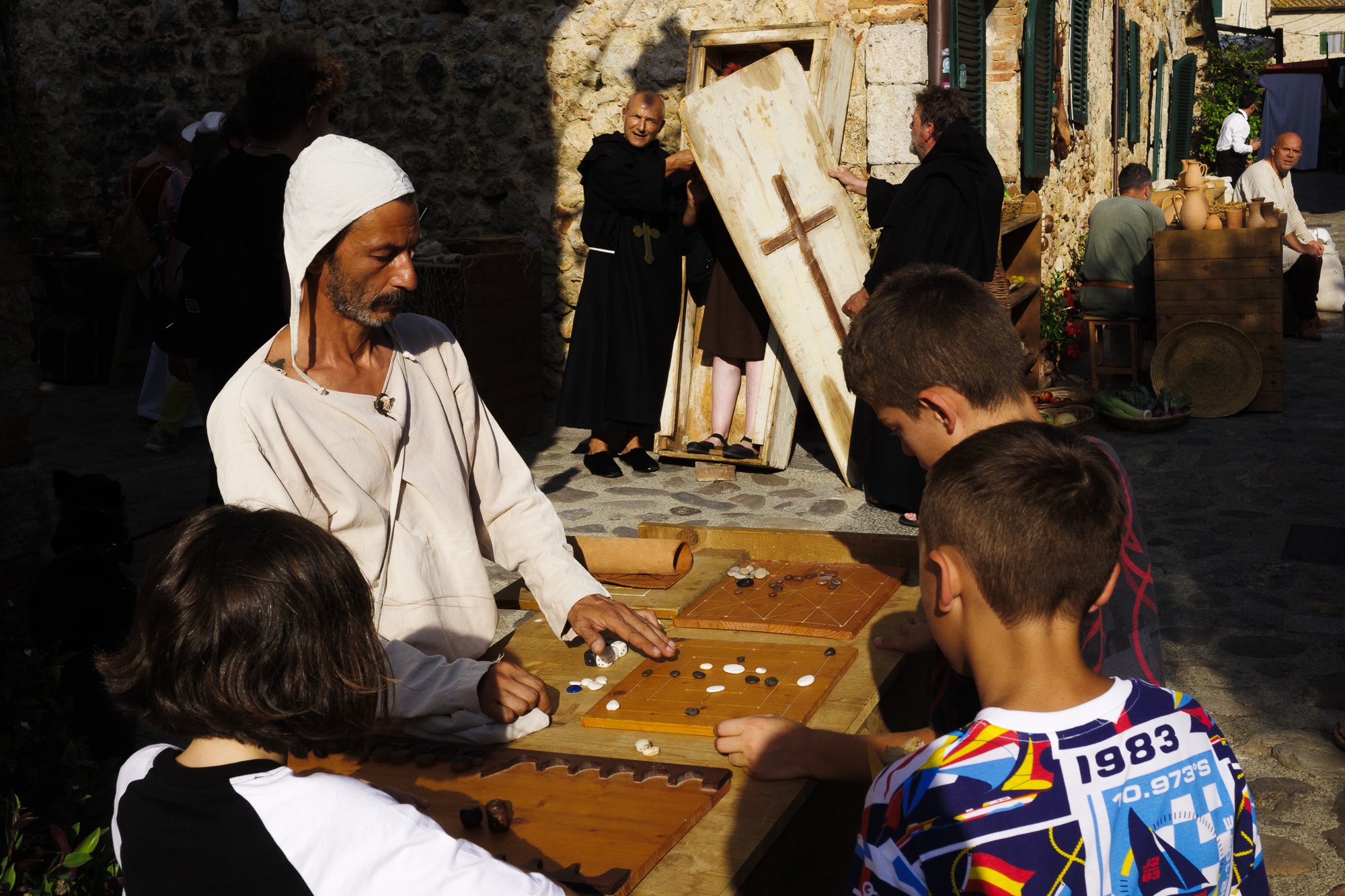
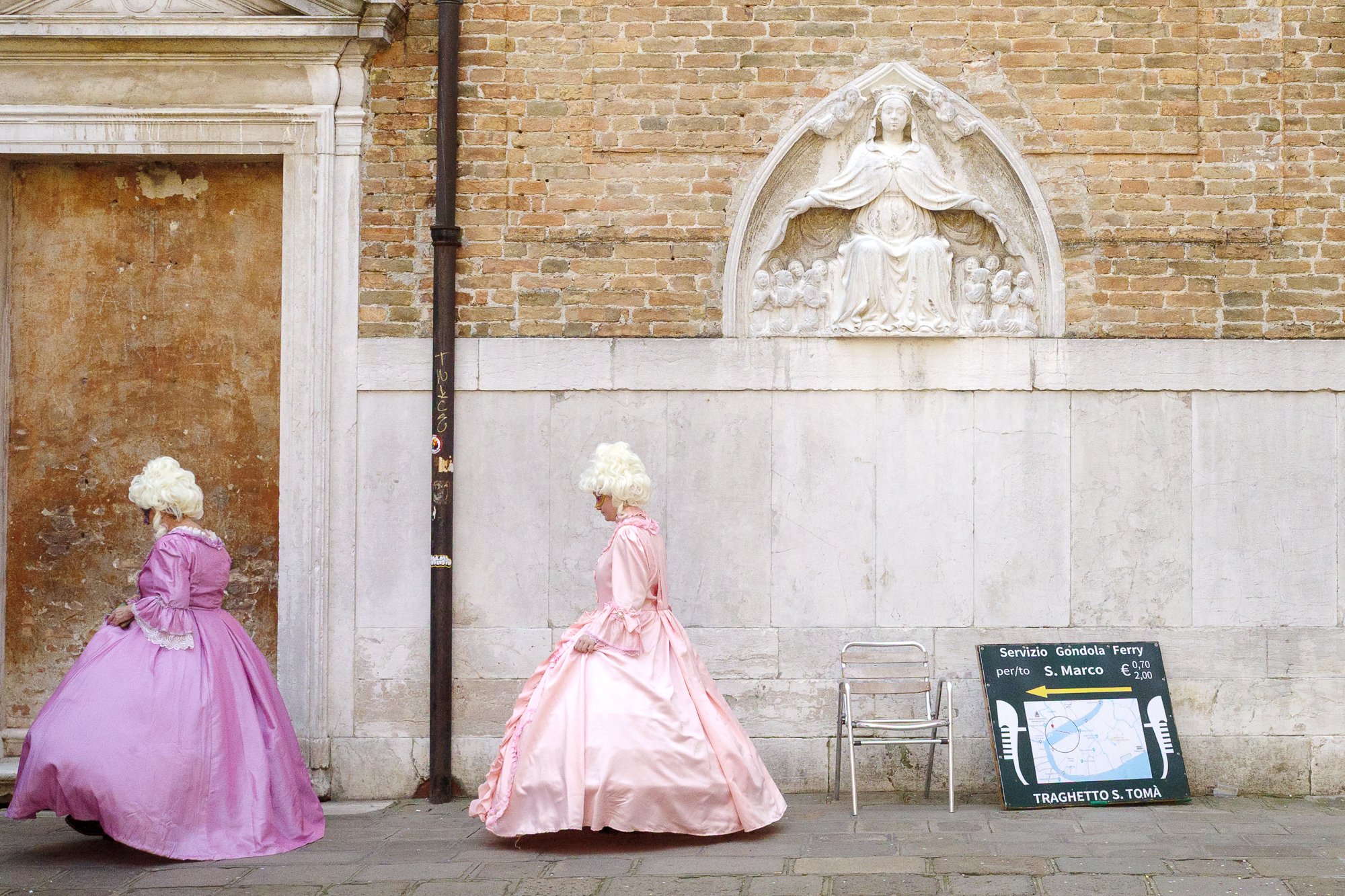
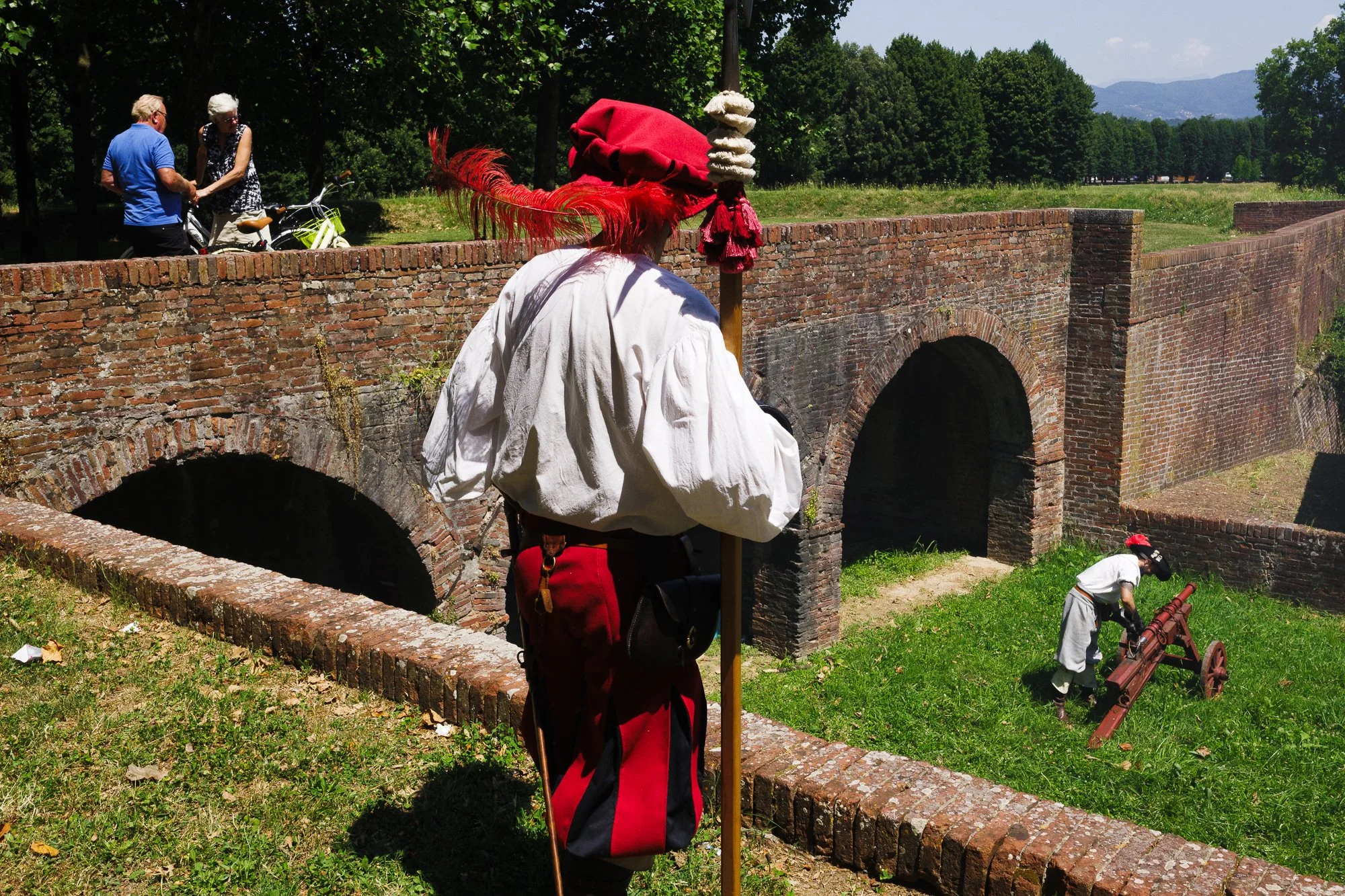
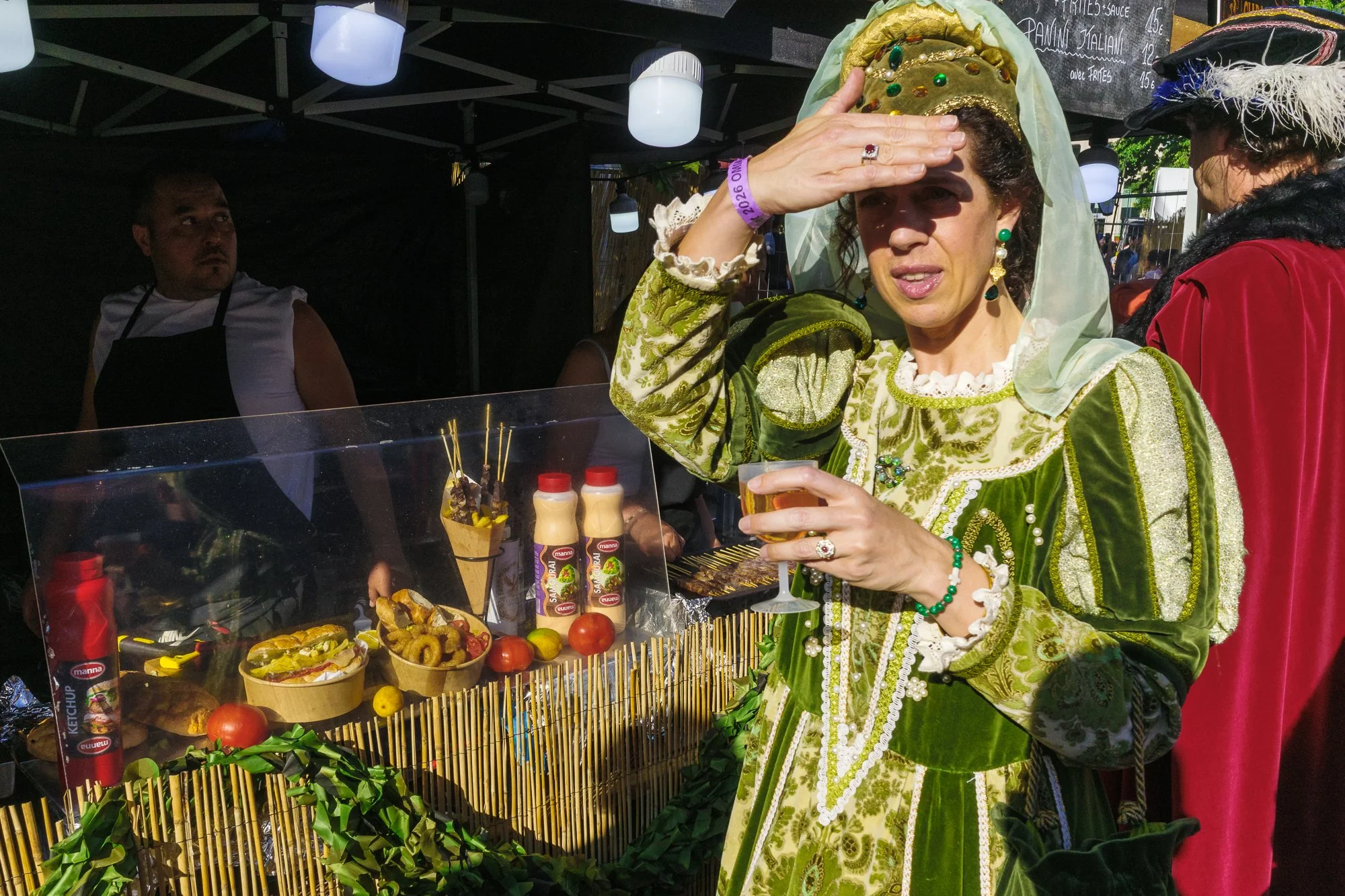
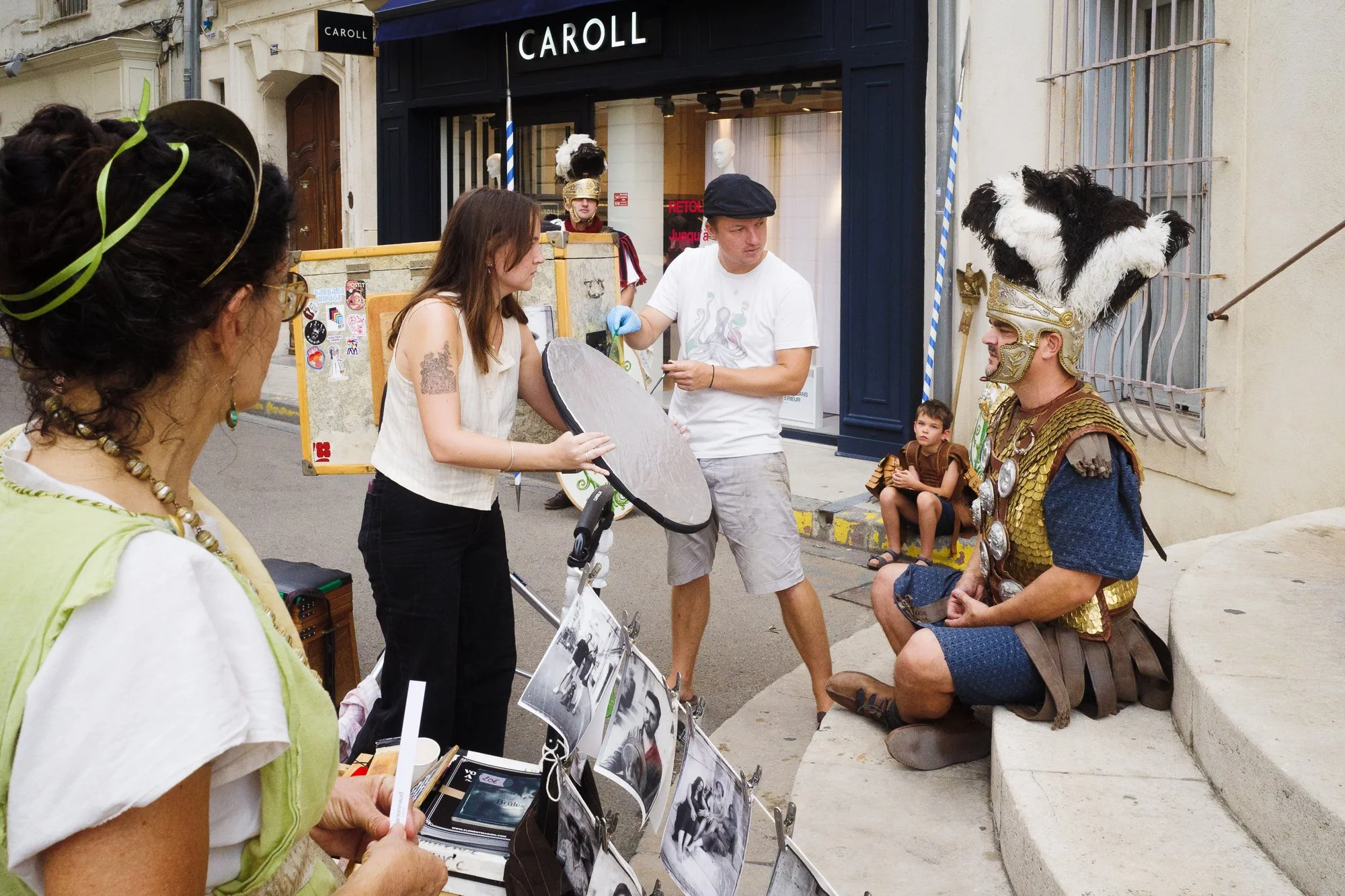
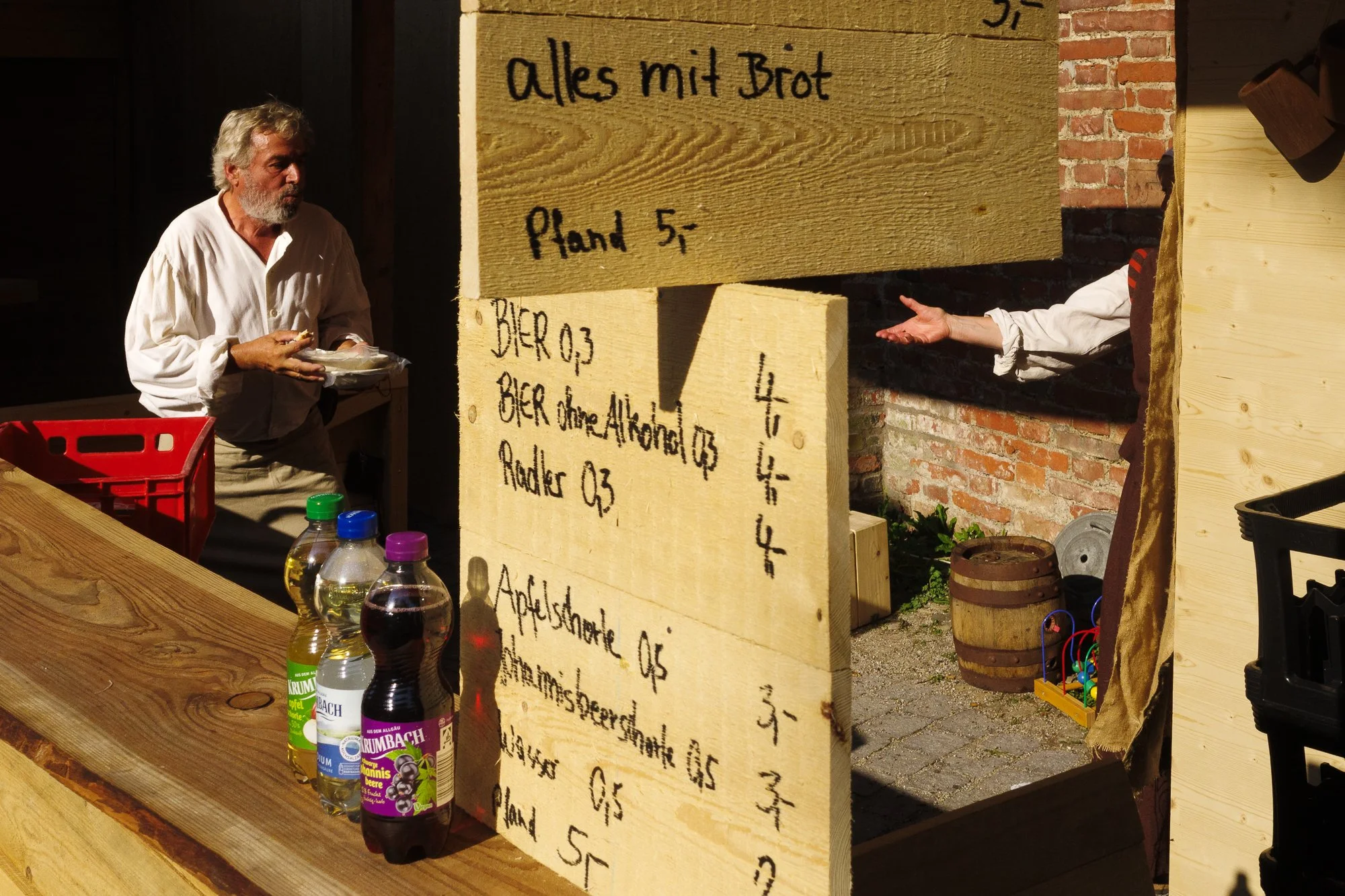
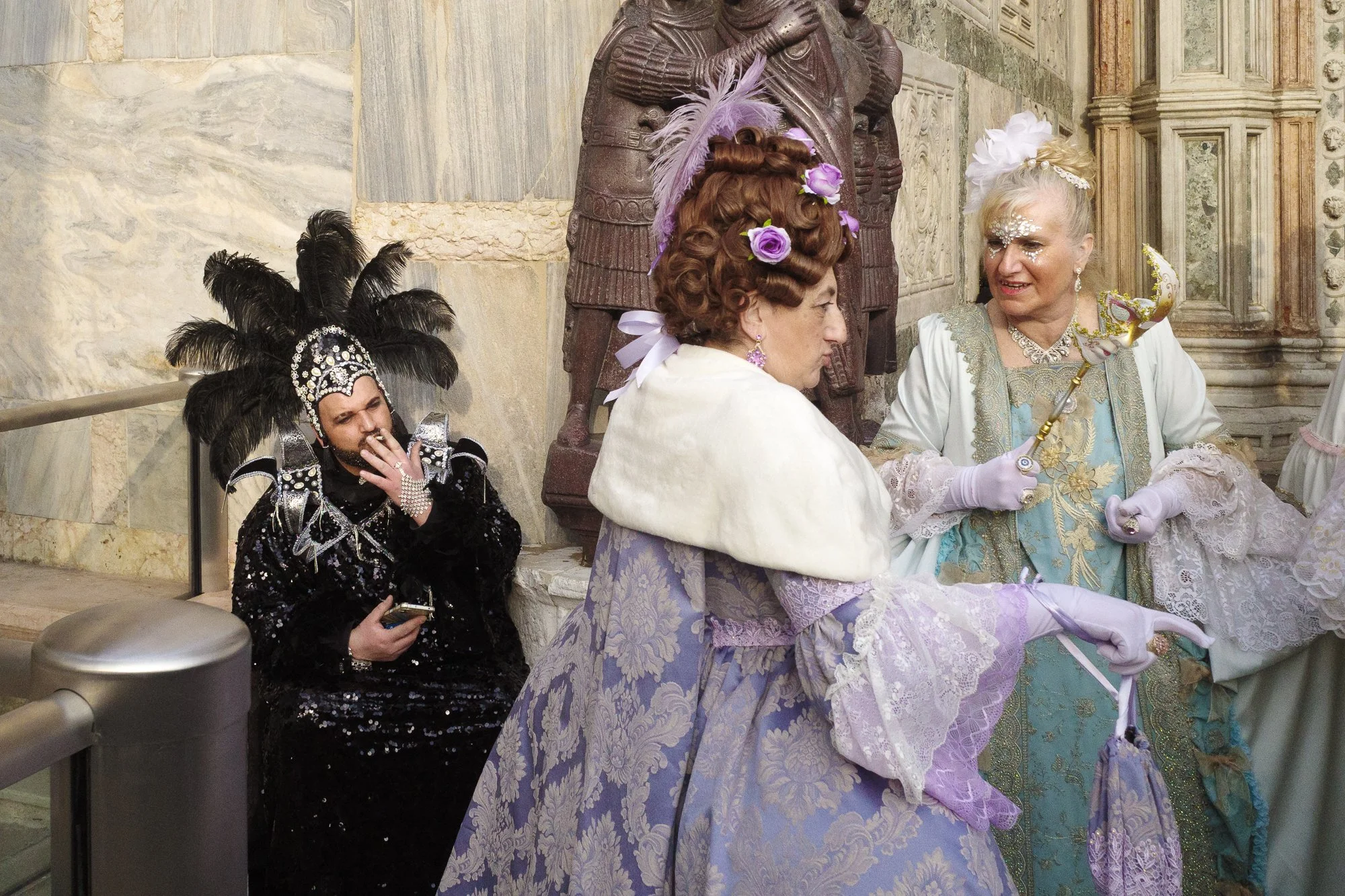
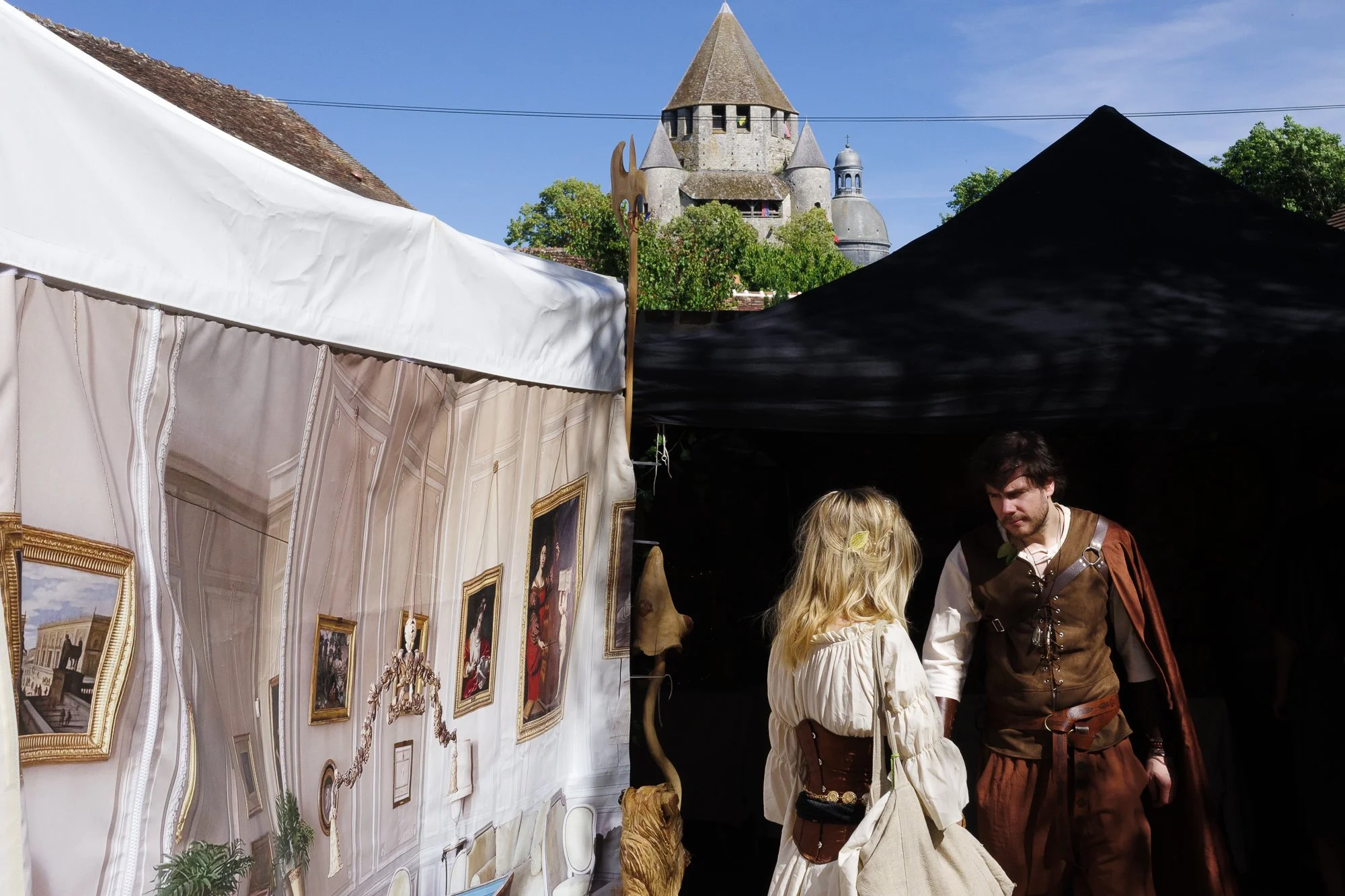
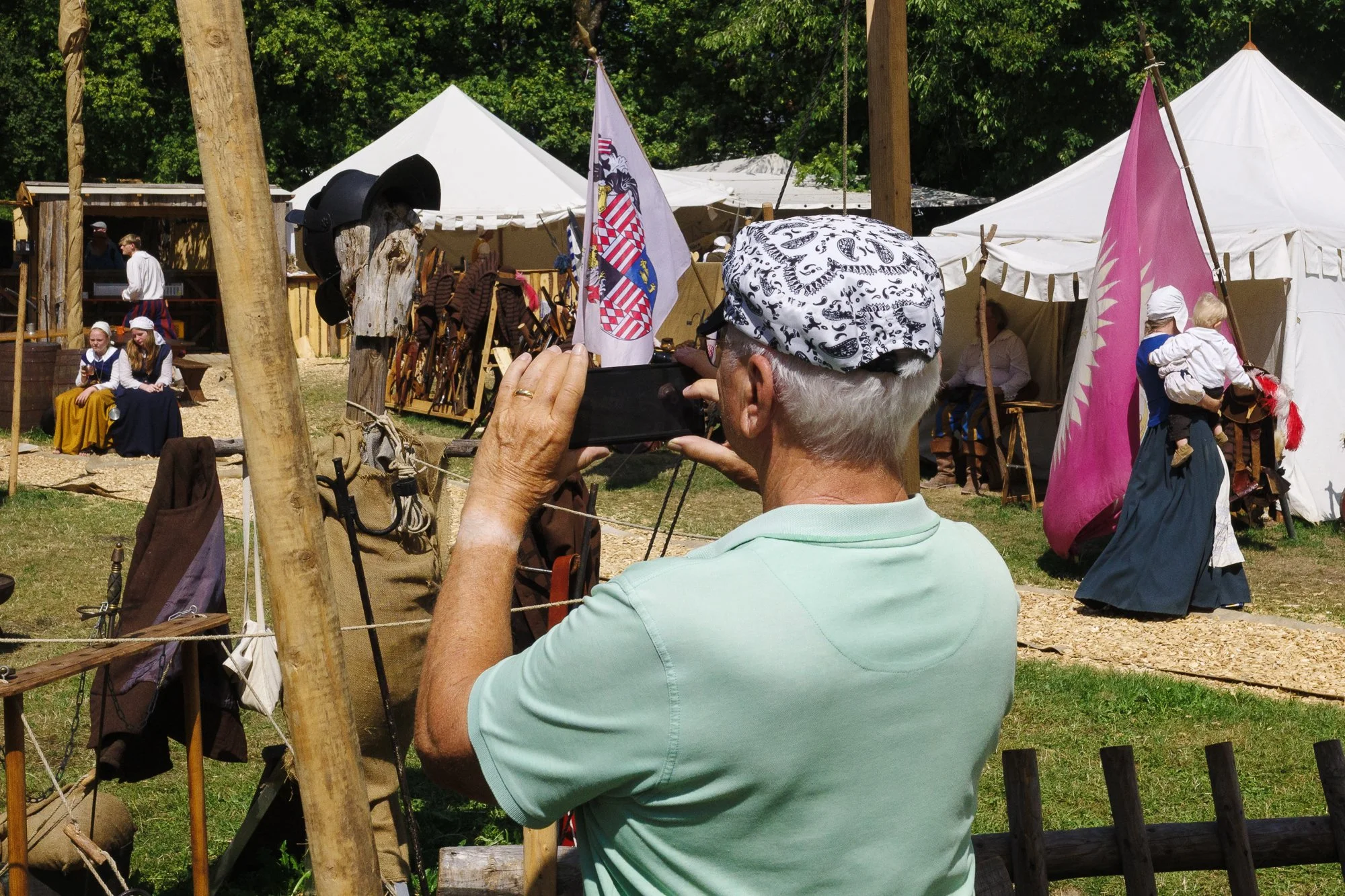
Heritage tourism, defined as the practice of traveling to places of historical or cultural significance, has become one of the most popular forms of travel worldwide. Forbes reports that the global heritage tourism market was valued at US$ 607.35 billion in 2024. From French castles to Chinese Buddhist temples, travellers increasingly seek experiences that connect them with history.
At some locations, visitors are no longer satisfied with simply traveling across geographical distances; they also seek to travel across time. Special events invite participants to dress in period costumes and take part in historical activities, creating immersive experiences that allow them to imagine themselves transported to another era. Yet these reimagined pasts continue to coexist with the realities of modern tourism, where participants rely on contemporary amenities and technology to navigate, communicate, and enrich their experience. The result is a series of amusing and often absurd encounters between past and present: Victorian ladies checking text messages, road constructions disrupting a Renaissance parade, or tourists in T-shirts and shorts posing for selfies with royalty. In such moments, visitors appear lost in time, suspended between historical fantasy and contemporary reality.
Travellers seek immersion in the fantasy of living in the past, but still cannot give up modern amenities, and many of these experiences are made possible only thanks to modern tourism development. This series aims to reflect on the complex and paradoxical relationship we maintain with the time, as well as with the tourism industry.
← Back